Women of the Outer Banks
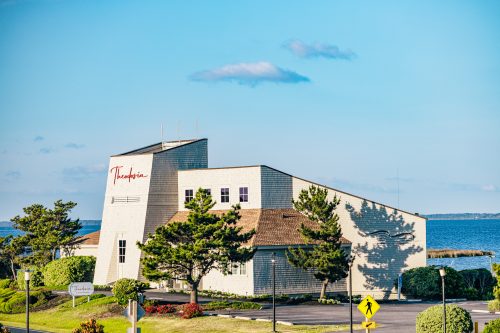
If these waters could talk, they would speak of women.
In 1813, the ship Patriot vanished off the Outer Banks, carrying Theodosia Burr Alston with it. Her story was never resolved, only retold.
This coast has always lived somewhere between history and legend, shaped by women whose names were often left behind.
Some were remembered. Most were not.
All of them are part of the place you’re sitting in now.
Women of the Outer Banks
Photographs courtesy of the Outer Banks History Center, Roger Meekins Collection, Victor Meekins Collection, Frances Rogallo Collection, Frances Drane Inglis Photographs, Estelle Meekins Papers, and State Archives of North Carolina.
Collection curated by Baxter Miller & Ryan Stancil at Theodosia in Duck, NC.
Crab Picking Houses
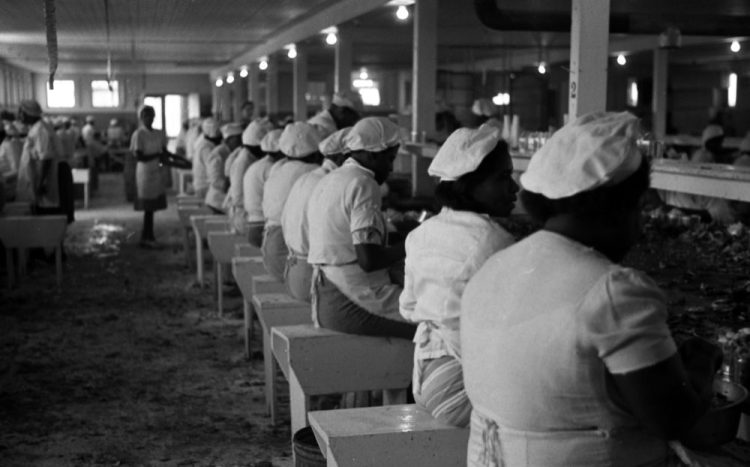
The picking and shucking houses that once lined this coastline were bustling hubs — busy, loud, essential. Men brought in the catch; women, often with their children beside them, broke it down with extraordinary speed.
Home Cooks of the Outer Banks
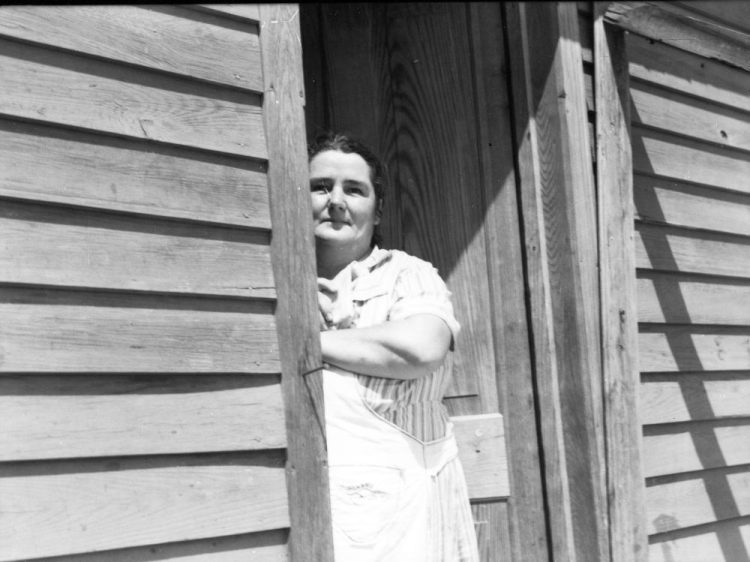
Before paved roads or refrigeration, Outer Banks women fed their families from what the land and sea provided. The food on your plate is their direct descendant.
Getting There
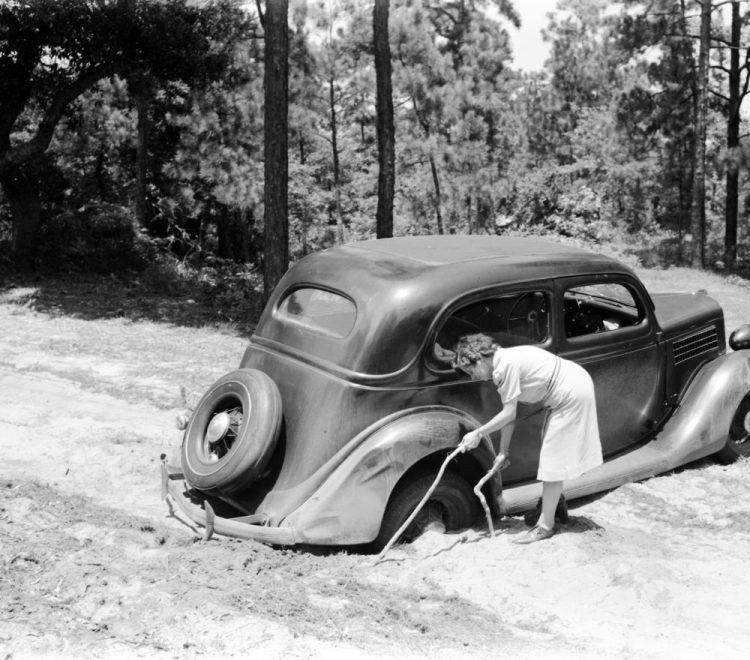
Before 1950, there were no paved roads on the Outer Banks. The women who ran households here did so in genuine geographic isolation — connected to the mainland by ferry, by season, and by will.
Animal Husbandry
Without reliable feed supplements, women learned to mix crushed oyster shells into chicken feed — providing the calcium hens need for strong eggshells. Without it, hens draw from their own bones. A discovery born of observation and necessity.
Gertrude Rogallo Jockey’s Ridge
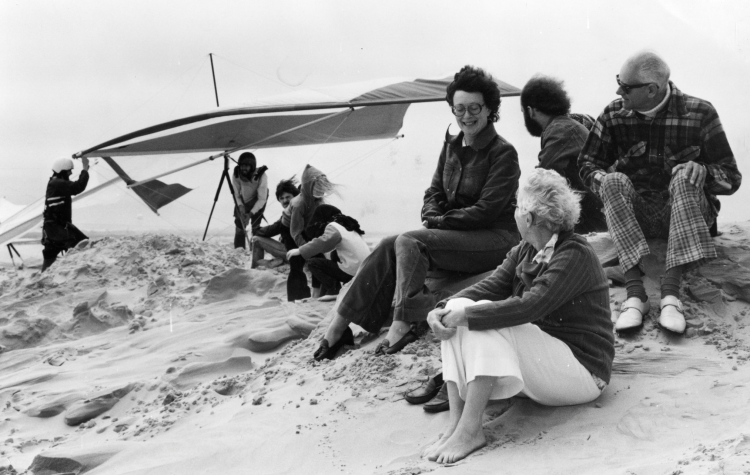
Rogallo and her husband developed the flexible wing together, patenting a design that became the foundation for hang gliding, paragliding, and kiteboarding.
Betsy Walker
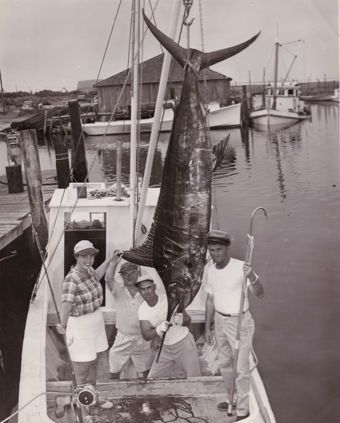
In 1952, Walker boarded the charter boat Albatross I and became the first woman to catch a marlin north of Florida.
Crissy Bowser
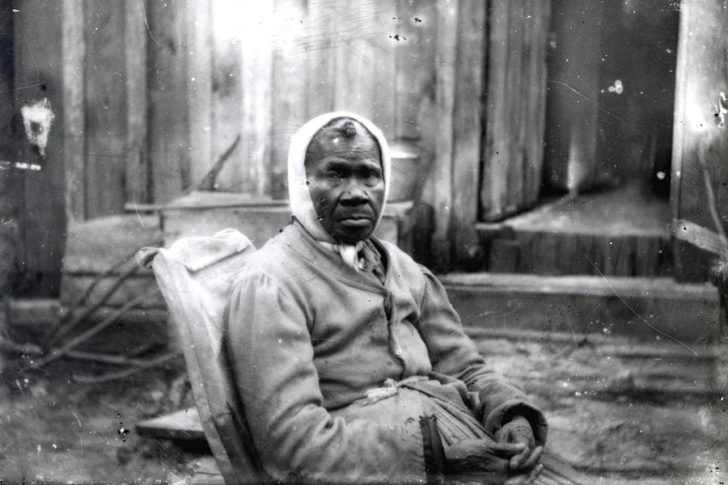
Crissy Bowser cooked for the Etheridge family most of her life. What she built for herself was entirely her own: a home near Island Farm, two rented acres, a life on her terms. She died in 1914 in the cabin she built herself.
Nellie Myrtle Pridgen
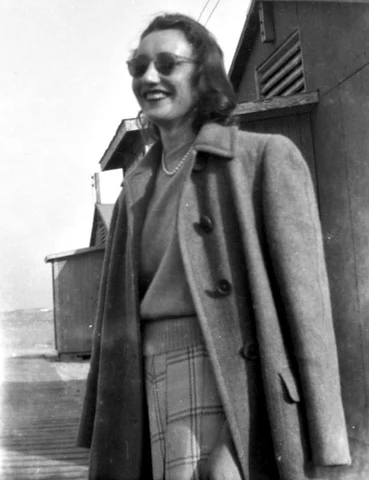
For fifty years, Pridgen walked the beach collecting fragments of shipwrecks, artifacts of European exploration, remnants of wars and founded The Outer Banks
Cora Mae Basnight
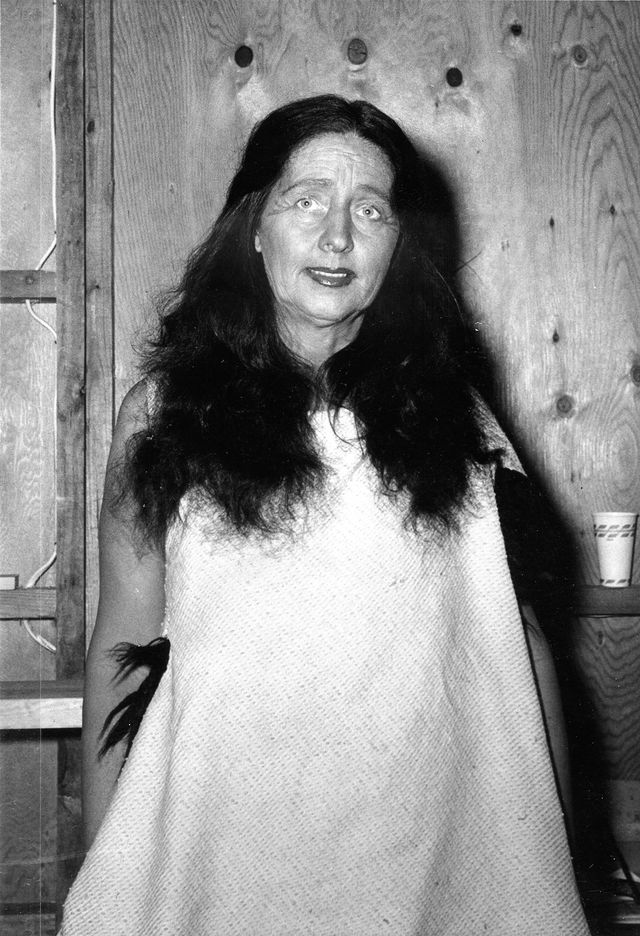
For 27 years, Basnight played Agona in The Lost Colony — the longest anyone has played a single role in the production’s history. Her son, Marc, went on to preside over the NC Senate for 13 terms, widely regarded as the most powerful figure in state government during his tenure.
Francis Drane Inglis
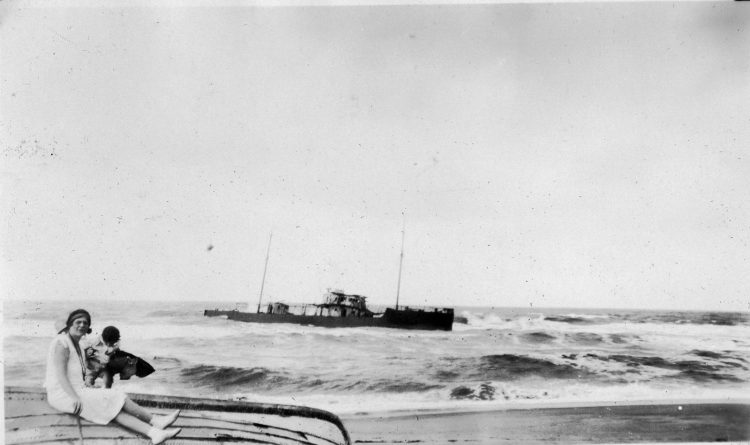
The tanker Paraguay came ashore in 1927 and was still visible two years later when Frances Drane Inglis trained her camera on it. A tireless documentarian of Outer Banks life, Inglis recorded a coast shaped as much by catastrophe as beauty.
Carolista Baum
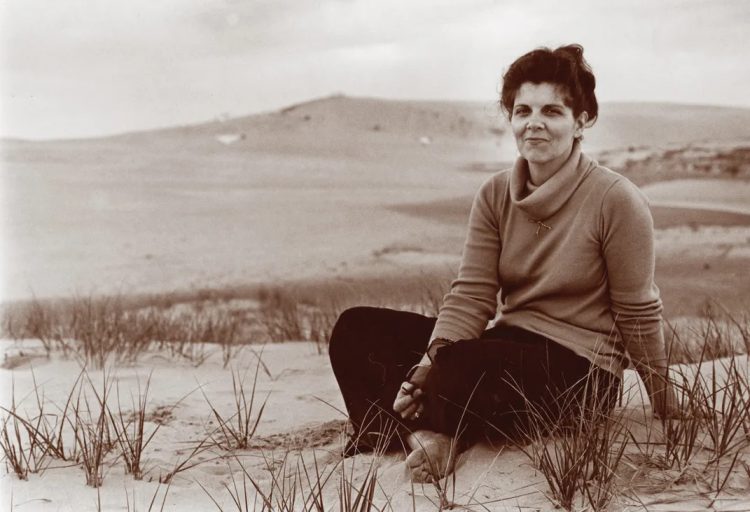
When Carolista Baum learned developers planned to build a subdivision on Jockey’s Ridge, she organized and as a result, the state bought the land in 1973. The tallest living sand dune on the East Coast is a state park today because she wouldn’t let it become a cul-de-sac.
Dare Wright
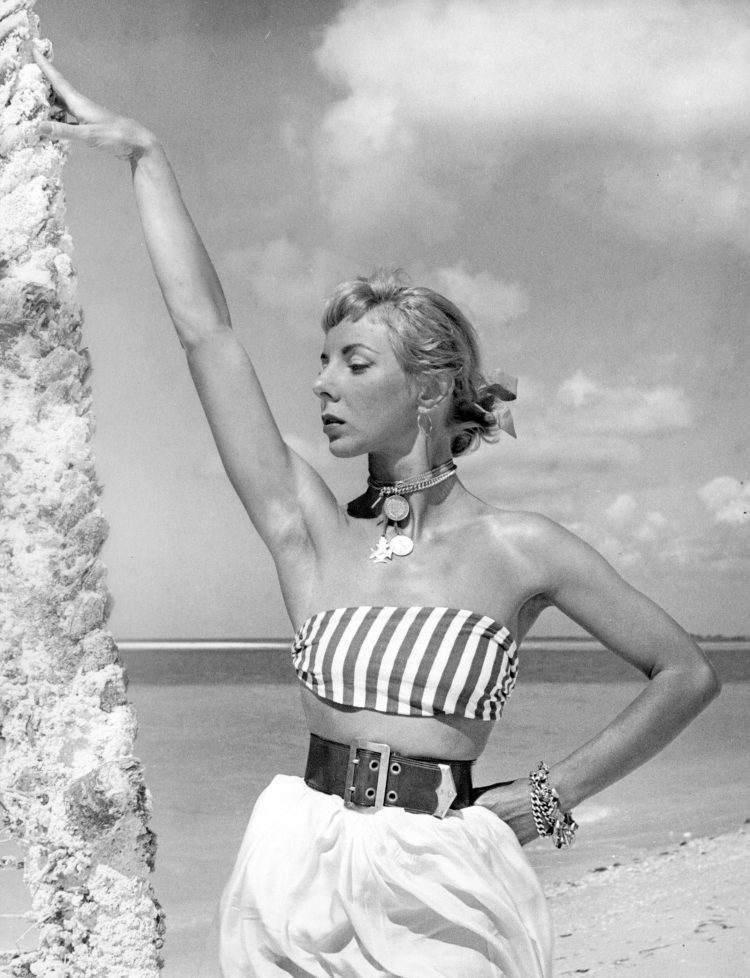
Named for Virginia Dare, the first English child born in the Americas, Wright became a photographer, model, and author. She returned to the region throughout her life, using its open beaches and restless light as both backdrop and muse.
Addie Tate
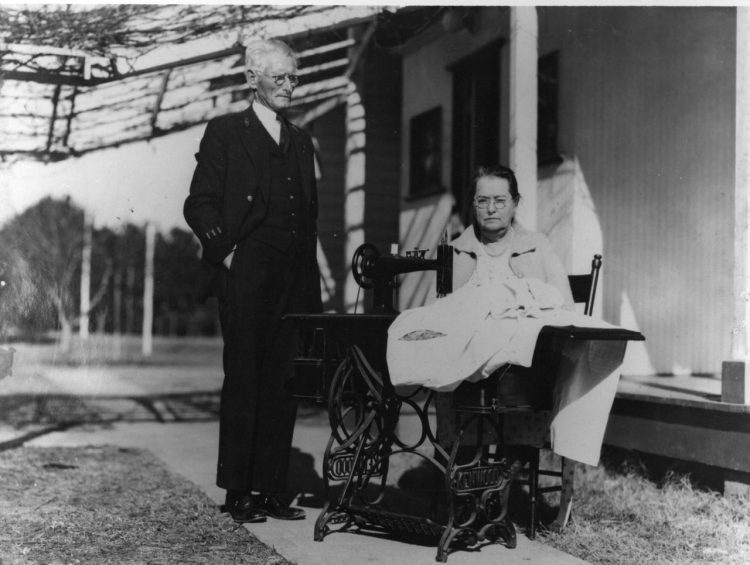
When the fabric wings of the Wright Brothers’ glider needed alterations, Addie Tate lent Wilbur her sewing machine. After they left, she turned the leftover fabric into dresses for her daughters. Nothing went to waste on the Outer Banks.
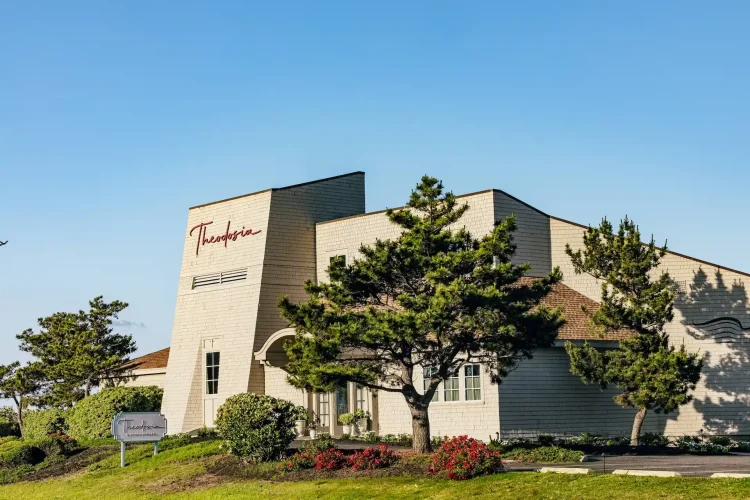
Theodosia
Welcome to Theodosia, our signature restaurant from award-winning chef and restaurateur Vivian Howard whose Southern roots are imbued in every dish she creates.
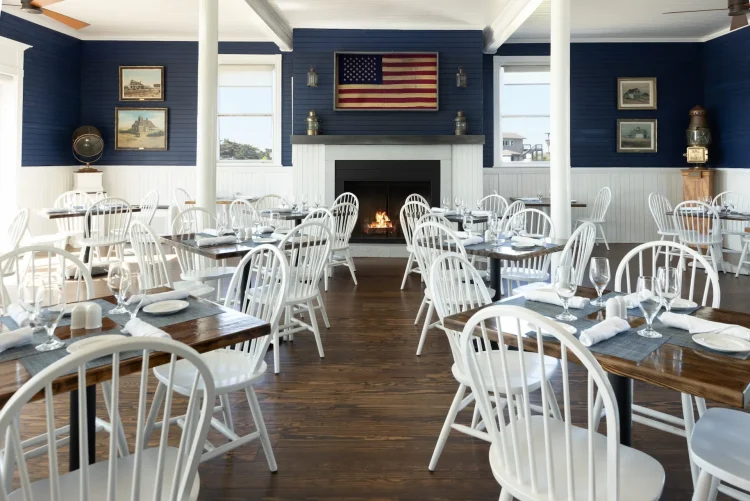
Lifesaving Station
Located in the historic Caffey’s Inlet Life Saving Station No. 5, the renovated Lifesaving Station is The Sanderling’s casual, three-meal restaurant celebrating coastal Southern cuisine.
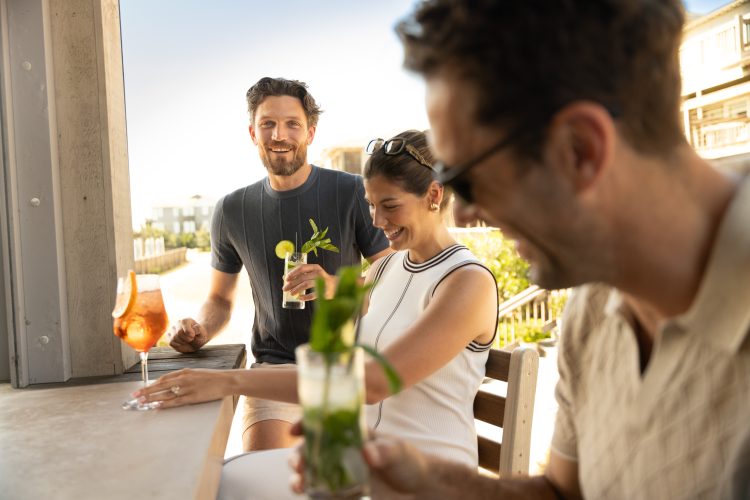
Sandbar
Enjoy a relaxing lunch or afternoon snack within the dunes at the Sandbar or grab something to-go on your way to the beach
Open Daily, Weather Permitting
Lunch: 11:00 am to 4:00 pm
Bar: 11:00 am to 6:00 pm
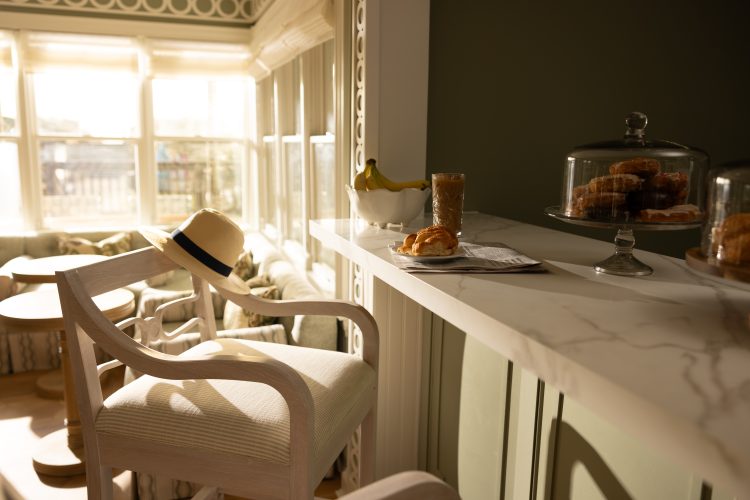
Beach House Bar
Start your morning with freshly brewed coffee and house-made pastries, or unwind in the evening with a glass of wine, a handcrafted cocktail, & a light bite. The perfect spot to begin or end your day by the coast.
Breakfast • 7 am – 11 am
Evening • 5 pm – 11 pm
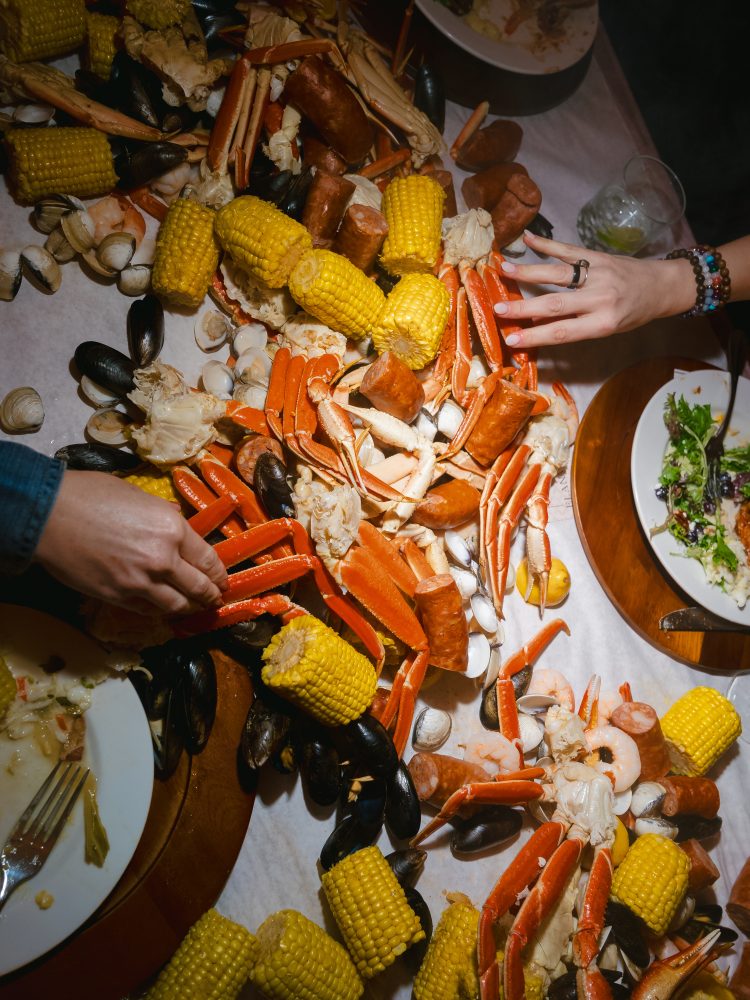
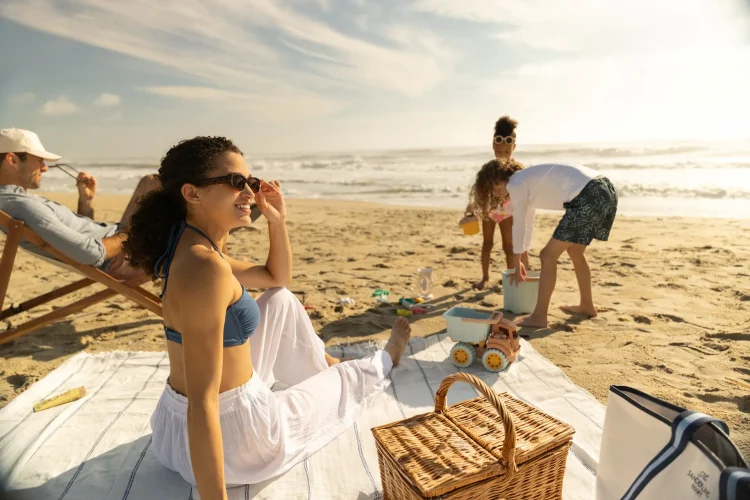
Sanderling Seaside Picnic: The Perfect Beach Day
The warm Outer Banks sun on your skin, the rhythmic sound of waves crashing just steps away, and before you, a perfectly curated picnic basket brimming with culinary delights. This isn’t just any beach day; it’s a Sanderling Seaside Picnic, designed to transform your coastal relaxation into an experience of pure indulgence.